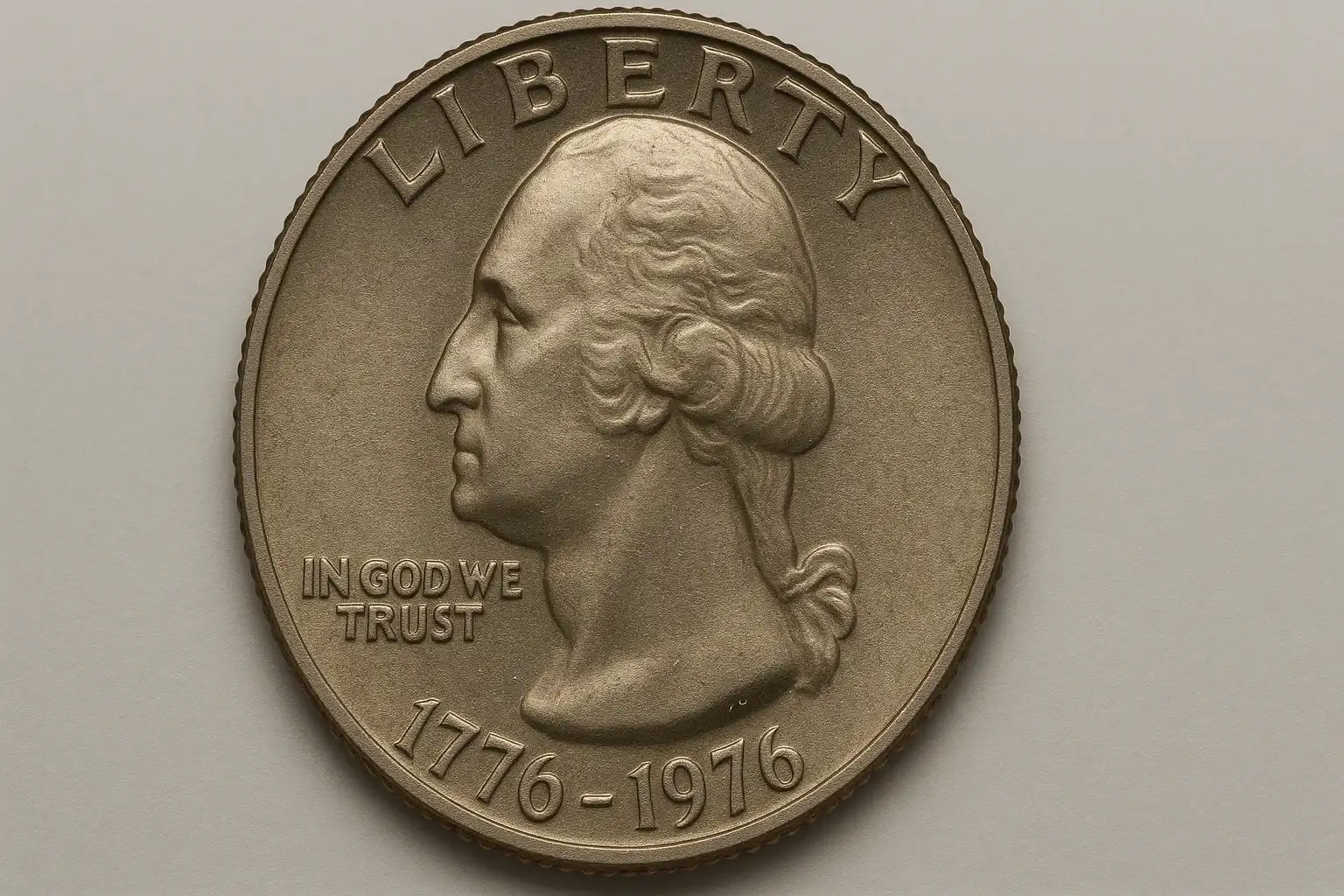
The Truth About 1994 Pennies With No Mint Mark
In 1994, the bulk of one-cent coin production was carried out by the Philadelphia Mint, traditionally releasing products without a letter designation of the manufacturing site.
The total mintage for this 1994 Penny No Mint Mark issue reached 6,500,850,000 specimens.

The absence of a mint mark represents a design standard, not belonging to the category of manufacturing errors.
The investment attractiveness of these coins is determined by the rarity of maintaining an ideal surface condition and the presence of specific die deformations.
The 1994 production cycle relied on the use of zinc planchets subjected to galvanic copper plating.
The primary physical constants of the issue are:
Product weight: 2.50 grams.
Allowable weight deviation: 0.10 grams.
Outer diameter: 19.05 mm.
Structure: zinc core (97.5%), copper shell (2.5%).
Any excess of the weight limit may indicate the use of a copper planchet from previous periods, representing an extremely rare factor.
Identification of Valuable Specimens
To search for objects possessing a market value above face value, a systematic approach to surface examination is applied.
Doubled Die Reverse (DDR) Variety
The primary technical anomaly of the 1994 Philadelphia issue is recognized as the doubling of the reverse, recorded under code FS-801.
Features detectable at ten-times magnification include:
Vertical doubling of the internal columns of the Lincoln Memorial.
The presence of additional relief lines between the 1st and 2nd, as well as the 11th and 12th columns.
Maintenance of contour clarity in the central part of the building.
Registry of Random Manufacturing Errors
Besides systemic die defects, individual cases of minting process violations are recorded.
Defect Type | Technical Cause | Market Estimate (USD) |
Off-Center (50%) | Incorrect planchet feeding | $80 - $140 |
Die Cap | Coin sticking to the die | $200 - $500 |
Struck Through | Grease or shavings interference | $50 - $150 |
Price Hierarchy and Auction Statistics
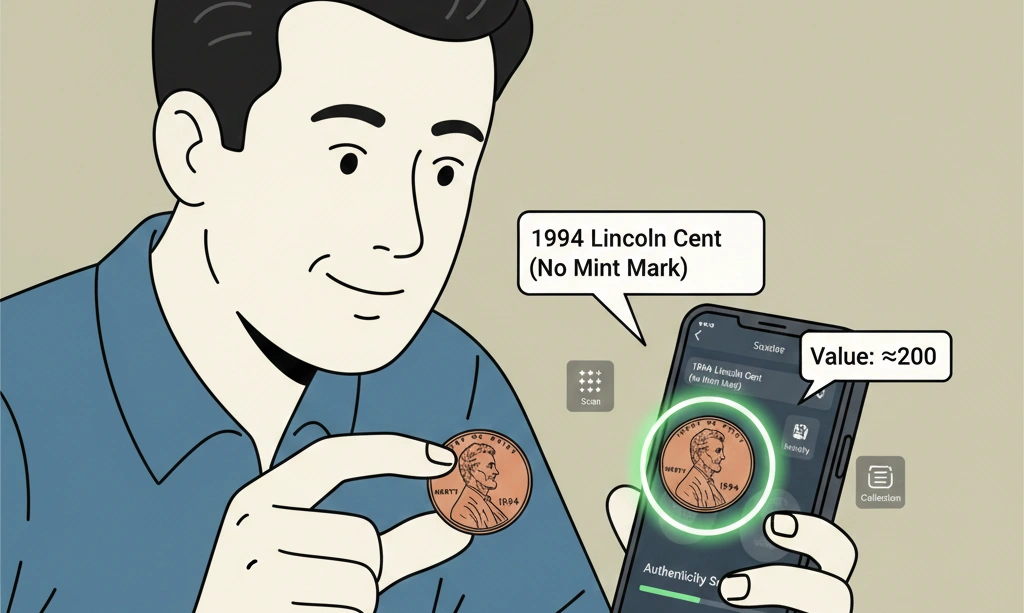
The value of a 1994 penny without a mint mark depends directly on the grade and the preservation of the original red luster (Red) and can be determined with the free coin identifier.
The price dynamics based on completed auction trades are presented below:
MS67 RD: A relatively stable category, valued between $20 and $45.
MS68 RD: A rare condition demonstrating a price growth of 8-12% annually, with a current value reaching $650.
MS69 RD: An extremely rare grade, represented by only two specimens in the PCGS registry.
In 2023, a sales record for the MS69 RD grade was established, totaling 5,040 dollars.
Statistical data indicates an annual price decrease for MS65-MS66 grades (by 2-4%), conditioned by the regular opening of old bank rolls.
The chemical properties of zinc combined with circulation conditions determine the small percentage of high-preservation specimens.
The percentage distribution of the current coin mass is:
Damaged by corrosion and wear: 85%.
Condition from Fine to AU (with circulation traces): 14.9%.
Specimens in Mint State (MS) condition: less than 0.1%.
The presence of microscopic carbon spots reduces the estimated value of the coin by 50–80%, even in the absence of wear traces.
Comparative Investment Evaluation
Differences in profitability were identified when comparing the 1994 Philadelphia and Denver issues.
Investment indicators for 2018–2025:
Philadelphia (No Mint Mark) MS68 RD: Growth reached 62%.
Denver (1994-D) MS68 RD: Growth reached 48%.
Philadelphia pennies without a mint mark in the highest grades are less frequently encountered without striking defects, ensuring higher competition during trades.
Professional Evaluation Regulations
Selling valuable 1994 specimens without professional certification (PCGS/NGC) is practically impossible in the segment above MS66.
The high cost of grading serves as a natural filter, limiting the number of certified coins on the market.
For self-identification, the use of the coin appraisal app, electronic scales, and optical instruments is recommended for the purpose of confirming weight standards and the presence of DDR signs.
Conclusion
The 1994 penny without a mint mark is a standard payment instrument possessing value only in exceptional cases.
Financial interest is represented exclusively by two categories: coins in MS68 RD condition and higher, as well as specimens with confirmed doubling of the reverse (FS-801).
Analysis of market trends confirms the concentration of investments in confirmed rare varieties, while ordinary coins from circulation carry no numismatic premium